
How to open a second-hand shop online, step by step
October 7, 2026 · by Portal Hero · 8 min read
A guide to opening a second-hand shop online: paperwork, margin VAT, where to sell (Wallapop, eBay or your website) and how to never sell the same item twice.
A console someone no longer plays, a serviced bike, a refurbished phone that looks brand new: a second-hand product only sells if it reaches the person who's looking for it. And that person doesn't wander into your shop by chance any more, they search for it on their phone. According to Google Trends, in Spain searches for «vender en vinted» have grown by more than 60 % in five years and searches for «wallapop profesional» have tripled.
Opening a second-hand shop online has one side everybody talks about (choosing your products, registering, launching a website) and another hardly anyone explains until it bites: how to sell in several places at once when every item is unique and you only have one of it.
This guide walks you through both, in the order you'll run into them.
1. Decide what you'll sell and where it will come from
Before the website or the marketplaces, what defines a second-hand shop is its product and how you source it. The shops that work tend to specialise: refurbished electronics, bikes, video games, fashion, sport, home. Specialising lets you check every item more thoroughly, price with confidence and speak your buyer's language.
Then think about where your stock will come from, because it sets the pace at which you grow:
- Buying from individuals, in the shop or at their home.
- Job lots and surplus stock from businesses, returns or clearances.
- Consignment: the owner leaves the item with you and gets paid when it sells.
- Trade-in or buy-back from your own customers.
Each route comes with its own margin and its own paperwork. If you buy from individuals, for example, you'll have to record those purchases, as you'll see in the next step.
2. The paperwork: registration, VAT and purchase records
This section covers the rules if you open your shop in Spain. It isn't an exhaustive list and it's no substitute for an accountant, but there are three points every second-hand shop in Spain needs to know from day one:
- Registering as self-employed or as a company, under the retail activity that matches what you sell.
- Margin VAT. If you buy from individuals and resell, in Spain you can apply the special scheme for second-hand goods (REBU): you only pay VAT on the margin, the difference between what you paid and what you charge, not on the full price. In return, the VAT on those purchases can't be deducted. You can choose between this scheme and the standard one sale by sale. Margin VAT is an EU-wide scheme with its own name in each country; in English it's usually called the margin scheme.
- The register of second-hand goods purchases. Spain's Organic Law 4/2015 on the protection of public safety lists the «trade in or repair of used goods» among the activities that must keep documentary records (article 25). How that register is kept is set by each region or town council, so it's worth checking before you open.
And a heads-up for when you start selling on marketplaces: under DAC7, the EU directive that applies in every member state, platforms such as Wallapop, Vinted or eBay report every year to the tax authorities the sellers who reach 30 sales or exceed €2,000. In Spain that report is form 238, regulated by the Spanish Royal Decree 117/2024. A shop passes those figures within a few weeks: your marketplace sales are business income like any other, and the tax office can see them.
Tip: from day one, keep every purchase with its date, price and the seller's details. You'll need it for the register, for applying margin VAT and for knowing what margin each type of product leaves you.
3. Where to sell online: your website and the marketplaces
You have two main options, and most shops combine them.
Your own online shop, on PrestaShop, WooCommerce or Shopify, is your shop window: your brand, your margins, no commission per sale. The problem is that nobody knows it at first, and bringing in visitors takes time or money.
Marketplaces put your product in front of millions of buyers who are already looking for second-hand goods. For a shop in Spain, the usual ones are:
- Wallapop, the big general second-hand marketplace, with professional accounts (Wallapop Pro) and built-in shipping.
- Milanuncios, one of the longest-running classified ads sites in Spain.
- eBay, to reach buyers all over Europe.
- Vinted, if you sell fashion, with its option for professionals (Vinted Pro).
- Marketplaces in other countries such as Leboncoin, Kleinanzeigen, Subito or OLX, when you want to sell outside Spain.
Each marketplace has its own audience, its own fees and its own rules for professional sellers. Most shops start with one or two and add channels as the catalogue grows.
4. Listings that sell: photos, condition and price
With second-hand goods the buyer can't touch the product, so the listing has to answer their questions before they ask:
- Real photos of that specific item, in good light and against a clean background, flaws included.
- Clear condition: new, like new, good, fair… and what each one means in your shop.
- A title with what people search for: brand, model, size or capacity, and whether it's refurbished.
- A price in line with what similar items go for on that same marketplace.
- Warranty and returns spelled out, which is what most sets a shop apart from a private seller.
 published 09:00
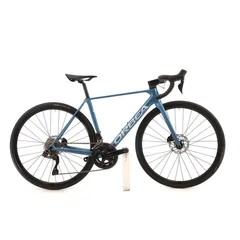 Orbea Orca M30i bike · size 50€2,089 · Cycling · refurbished
5. Selling on several marketplaces at once without selling the same item twice
This is the challenge that's unique to second-hand. A shop selling new clothes has 50 identical T-shirts; you have a single PS5 with that controller and that box. If it's listed on your website, on Wallapop and on eBay, and it sells on one of them, it has to disappear from the others before another buyer pays for it.
Doing it by hand works with a few items. With hundreds, it always ends up happening: someone buys something you no longer have, and you have to cancel, apologise and, on some marketplaces, take a bad review.
The answer is for every channel to draw on a single catalogue, the one in your shop or your management system, and for every sale, on any channel, to take the item off all the others automatically. That way you can be on five marketplaces without multiplying the work or the risk. That's exactly what Portal Hero does: it reads your catalogue from your online shop, your ERP or a file, publishes it on Wallapop, eBay, Milanuncios and the other marketplaces and, when an item sells on one of them, withdraws it from the rest at the next sync.
If Wallapop is one of your main channels, in this guide to Wallapop integration we explain how connecting your catalogue, stock and orders to its API works.
6. Answer, ship and repeat
On second-hand marketplaces almost everything starts with a question: "Is it still available?", "Does it come with a warranty?", "Do you ship to my town?". How quickly you reply decides a lot of sales, and when you sell on several marketplaces those questions arrive in several different apps.
Laura · Orbea Orca M30i
Hi, is it still available? Does it have a warranty?
Yes! It has been checked and comes with a 12-month warranty. You can buy it with shipping from the listing.
Great, I'll buy it now.
Three habits that make the difference:
- One inbox for the chats from every marketplace, with the listing next to each conversation.
- Saved replies for the usual questions, and an automatic reply outside opening hours.
- Orders in one place, with shipping and invoicing sorted, whichever marketplace they come from.
In Portal Hero, chats from Wallapop, Milanuncios, eBay and WhatsApp land in a single inbox, with the listing next to each conversation and automatic replies out of hours.
Frequently asked questions
What do I need to open a second-hand shop?
In Spain: registering for the right business activity, keeping the used-goods purchase register required by Organic Law 4/2015 if you buy from private sellers and, if you have premises, the opening licence from your town hall. To sell online you also need your own shop, professional accounts on the marketplaces or, better still, both.
What is the REBU and is it right for me?
It's Spain's special VAT scheme for second-hand goods: you pay tax on the margin instead of on the selling price. It usually pays off when you buy from individuals, who don't charge you VAT. You can choose between the REBU and the standard scheme sale by sale.
Can a shop sell on Wallapop or Vinted?
Yes. Wallapop has professional accounts (Wallapop Pro) and Vinted has its Vinted Pro option. As a business, your sales there are income from your activity and the platforms report them to the tax authorities.
How do I avoid selling the same item twice on different marketplaces?
By publishing from a single catalogue and connecting every channel to it, so that each sale takes the item off the rest. Doing it by hand is only viable with very few products. Portal Hero does this automatically.
Is my own shop or the marketplaces better?
Both: marketplaces bring you buyers from day one and your online shop gives you a brand and a margin. What matters is having a single catalogue for all of them.
In short
Opening a second-hand shop online means choosing well what you sell, dealing with three bits of paperwork you should know about from the start (registration, margin VAT and purchase records) and being where your buyers are. What separates a shop that grows from one that drowns in manual work is having a single catalogue for every channel.
Portal Hero publishes the catalogue of second-hand and refurbished shops on Wallapop, eBay, Milanuncios and other marketplaces across Europe, with stock in sync and chats and orders in one place. Take a look at our solution for shops and chains or tell us what you sell.